
About: A human connection above all
Even before our first session, it is essential to me that you know who I am and how I work. Psychosocial support is, first and foremost, a relationship of trust between two human beings.
Background
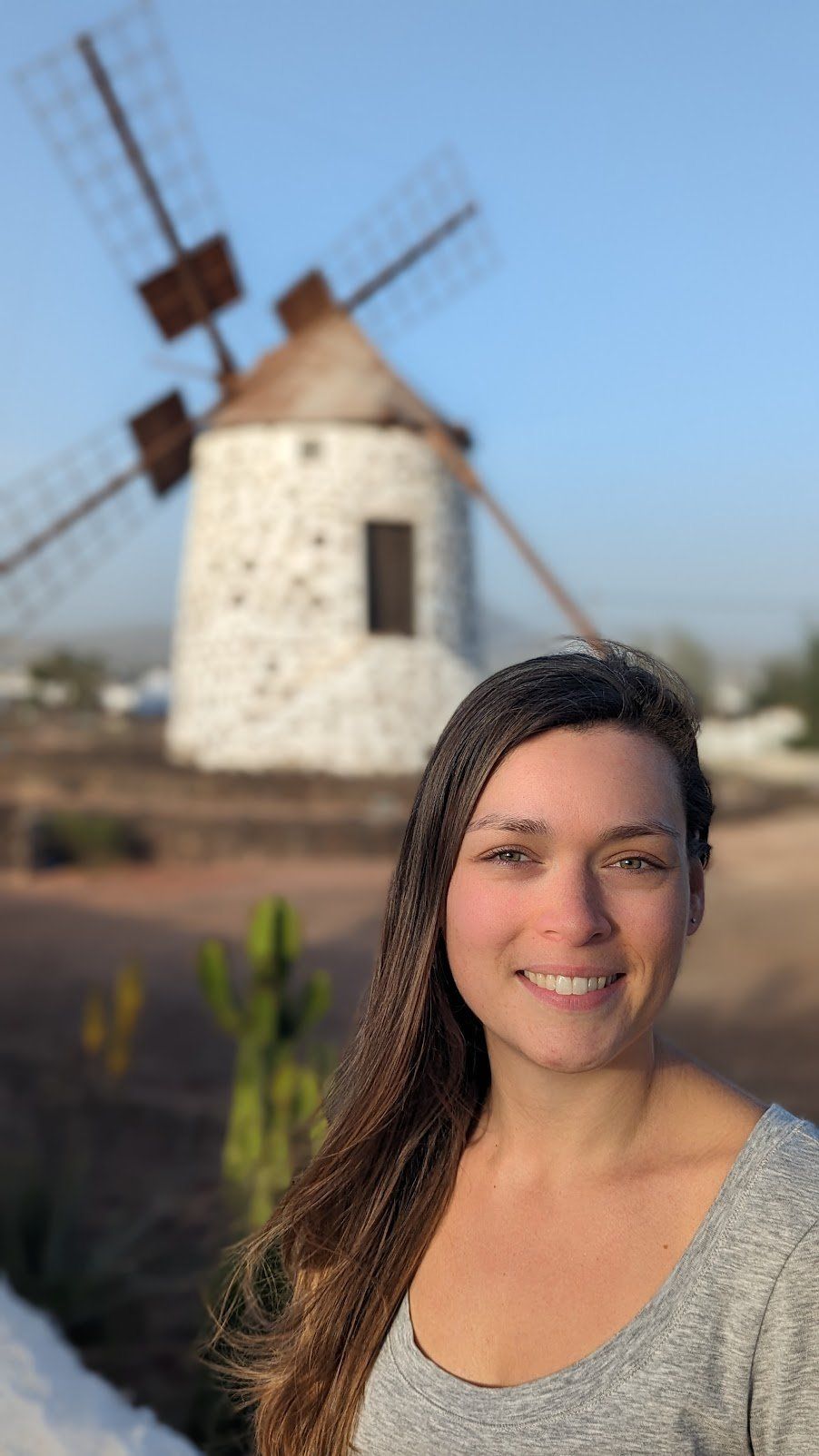
I am Judy Turcotte, a social worker (a member of the OTSTCFQ since 2014), and I have been in private practice since 2023.
For nearly ten years, I worked in a range of institutional and community settings, including a CLSC, a suicide prevention centre, a women’s shelter and telemedicine. These experiences taught me a great deal, but they also led me to private practice for one simple reason: time. Time to let an emotion settle, to deepen reflection and to build a genuine connection.
I chose to work exclusively through virtual care to make this support accessible to everyone living in Quebec. Whether you live in a remote area, have an unconventional schedule or simply feel safer at home, physical distance is no longer a barrier. Everything takes place on a secure platform that guarantees the strictest confidentiality.
Cultural and linguistic sensitivity
My own life journey has taken me from eastern to western Canada, as well as to Australia and Spain. This immersion in different cultures has shaped an especially nuanced way of listening that colours each of my sessions. Here, language is a therapeutic tool, never a barrier. If your thoughts form in one language but your emotions are easier to express in another, we can move fluidly between French, English and Spanish, according to what resonates with you.
My clinical stance: An anchor in the storm
Facing unexpected upheaval, periods of great vulnerability or demanding life transitions can sometimes feel like navigating troubled waters. As a social worker, I offer you a safe, inclusive space free of all judgment.
My approach rests on solid foundations, the most vital of which is the therapeutic alliance. I see our relationship of trust as the true foundation of our teamwork: strict confidentiality, a clear framework and genuine presence. It is the first thing we build together, because without it, no clinical method works. Alongside this alliance are a deep respect for your identity, unconditional kindness, rigorous clinical integrity and a sincere commitment to your well-being.
There is no universal formula in my practice. Support is carefully adapted to your story, culture and concerns, without you ever having to justify who you are in order to feel fully welcomed and understood.
Thanks to the flexibility of virtual care, we can begin this work together from the comfort of your home, in a secure space devoted entirely to your well-being.
Your journey
Ready to take the first step?
Beginning a therapeutic process takes a great deal of courage. If my approach resonates with you, I invite you to arrange an initial exploratory meeting, with no obligation. The conversation begins whenever you feel ready.
Book an appointment